Free Inspection With Approved Repair
Prevent Plumbing Issues With Annual Inspections
Routine inspections help detect hidden plumbing problems before they become expensive repairs. Our plumbing inspection services evaluate pipes, fixtures, and drainage systems to keep your plumbing operating properly.
Protect Your System With Plumbing Inspection Services in Thornton, IL
Plumbing systems work quietly behind walls and beneath floors every day. Water supply lines, drainage pipes, and plumbing fixtures all operate together to provide clean water and remove wastewater from the property. Because most of this infrastructure is hidden, small issues can develop without being noticed until they cause visible damage or plumbing failure.
Routine plumbing inspection services help property owners stay ahead of potential problems. Instead of waiting for a leak, blockage, or water heater failure to occur, inspections allow plumbing professionals to evaluate the system and identify early warning signs that may lead to future repairs.
Many plumbing problems begin with minor issues such as small leaks, worn valves, or partial drain blockages. These conditions may not cause immediate disruptions, but they can worsen over time if left untreated. A yearly inspection provides an opportunity to locate these problems early and address them before they escalate into larger repairs.
At Larkins Mechanical, LLC, we provide plumbing inspection services designed to evaluate the condition of plumbing systems for both residential and commercial properties. Our inspections examine the key components of the plumbing network including water supply lines, drainage systems, fixtures, and critical equipment such as water heaters.
Regular inspections help maintain reliable plumbing performance while reducing the likelihood of unexpected failures. Property owners who schedule routine inspections gain a better understanding of the condition of their plumbing systems and can plan maintenance accordingly.
Plumbing inspection services are particularly valuable for older properties where pipes and fixtures may have experienced years of wear. Aging plumbing components may develop corrosion, loose connections, or internal buildup that restricts water flow.
Inspections are also useful for newer properties because they confirm that plumbing systems continue to operate properly after years of use. Even modern plumbing systems benefit from periodic evaluation to ensure all components function as intended.
By identifying potential issues early, yearly plumbing inspections help protect property infrastructure while maintaining a dependable water supply and drainage performance.
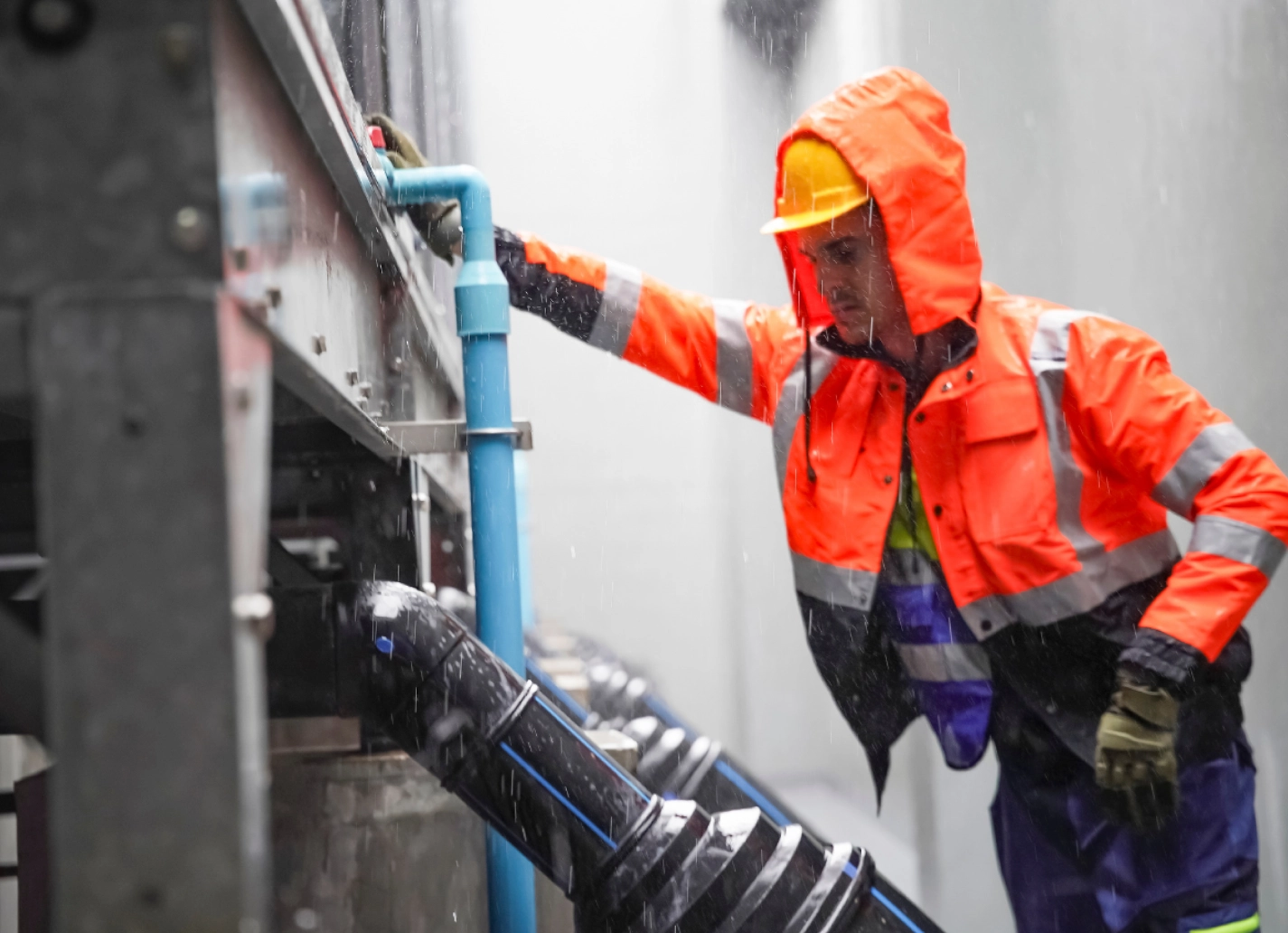
What Happens During a Plumbing Inspection
A plumbing inspection involves evaluating the entire plumbing system to determine whether it is functioning properly. The goal is to identify any areas where wear, damage, or inefficiencies may be developing.
During the inspection process, plumbing professionals examine both visible plumbing components and hidden areas that may be vulnerable to problems. Pipes, valves, fixtures, and drainage systems are all assessed to determine whether they are operating as expected.
One of the first steps in a plumbing inspection is checking the water pressure within the system. Excessive water pressure can place stress on pipes and fittings, increasing the likelihood of leaks. Low pressure may indicate blockages or supply line problems.
Plumbing professionals also examine exposed pipes to look for signs of corrosion, leaks, or damage. Even small leaks may indicate that a pipe or connection is beginning to fail.
Drainage systems are another important focus of plumbing inspections. Slow drainage or recurring blockages may indicate debris buildup or structural problems within the pipes.
Water heaters are also inspected as part of the plumbing system evaluation. Water heaters require proper venting and functioning safety components to operate correctly. Inspecting the unit helps confirm that it is heating water efficiently and safely.
A typical plumbing inspection may include several key steps:
- Water pressure testing: Measuring water pressure levels to ensure the plumbing system operates within safe limits.
- Pipe condition evaluation: Inspecting visible supply lines and drainage pipes for corrosion, leaks, or structural wear.
- Fixture testing: Operating sinks, toilets, showers, and other fixtures to confirm proper functionality.
- Drain flow assessment: Observing drainage speed to determine whether blockages or buildup may be present.
- Water heater evaluation: Checking the water heater for proper operation and safe venting configuration.
- System safety review: Ensuring plumbing components operate safely and reliably.
These inspection steps provide a comprehensive overview of the plumbing system’s condition and help identify areas that may require maintenance.
Benefits of Yearly Plumbing Inspections
Scheduling yearly plumbing inspections offers several benefits for property owners. The most significant advantage is the ability to detect small issues before they develop into major plumbing failures.
Leaks are one of the most common plumbing problems discovered during inspections. Even a slow drip can waste significant amounts of water over time and damage surrounding building materials. Identifying these leaks early allows repairs to be made before the damage spreads.
Drainage problems may also be identified during inspections. Debris buildup inside pipes can restrict wastewater flow and eventually lead to clogs. Addressing these issues early helps maintain reliable drainage throughout the plumbing system.
Another benefit of plumbing inspections is extending the lifespan of plumbing components. Pipes, valves, and fixtures that receive regular maintenance often last longer than those that are ignored until a problem occurs.
Plumbing inspections also help improve water efficiency. Leaks and inefficient fixtures can increase water usage and raise utility costs. Identifying these issues during inspections allows property owners to correct them and reduce unnecessary water consumption.
For businesses, routine plumbing inspections help maintain safe and sanitary conditions for employees and customers. Commercial properties rely on dependable plumbing infrastructure to support daily operations.
In residential environments, inspections help ensure that plumbing systems continue to provide a reliable water supply and drainage for everyday activities such as cooking, cleaning, and bathing.
By scheduling yearly plumbing inspections, property owners gain peace of mind knowing that their plumbing systems are operating properly.
Plumbing Inspections for Homes and Businesses
Both residential and commercial properties benefit from routine plumbing inspections. Although the scale of the plumbing system may differ, the underlying goal remains the same: ensuring the system operates reliably and safely.
Residential plumbing systems typically include supply lines for sinks, showers, toilets, appliances, and water heaters. Inspections help ensure these components function correctly and do not develop hidden leaks.
Commercial plumbing systems often involve larger networks of pipes and fixtures. Offices, retail facilities, and restaurants may contain multiple restrooms, kitchens, or service areas that rely on dependable plumbing.
Routine inspections help maintain these systems by identifying potential problems before they disrupt business operations.
For commercial properties, inspections may also include checking grease traps, floor drains, and other specialized plumbing equipment used in business environments.
Regardless of property type, yearly plumbing inspections help maintain the reliability of plumbing infrastructure while reducing the likelihood of emergency repairs.
At Larkins Mechanical, LLC, our plumbing inspection services help property owners in Thornton, IL monitor the condition of their plumbing systems and address maintenance needs before they become serious issues.
Frequently Asked Questions About Plumbing Inspection Services
-
Yearly plumbing inspections help identify early signs of leaks, corrosion, or drainage problems before they cause major damage or plumbing failure.
-
Inspections typically include water supply lines, drainage pipes, fixtures, water heaters, and other plumbing components connected to the system.
-
While inspections cannot prevent every issue, they significantly reduce the likelihood of unexpected plumbing failures by identifying potential problems early.
-
Yes. Even newer plumbing systems benefit from inspections to confirm that all components continue to function properly after regular use.
-
Most plumbing inspections can be completed within one to two hours, depending on the size of the property and the complexity of the plumbing system.
Free Plumbing Inspection With Annual Service
Hire us for plumbing inspection services and receive a free plumbing inspection to help identify potential issues before they turn into costly repairs.